 +359 895 90 14 68
 Bulgaria


SALE


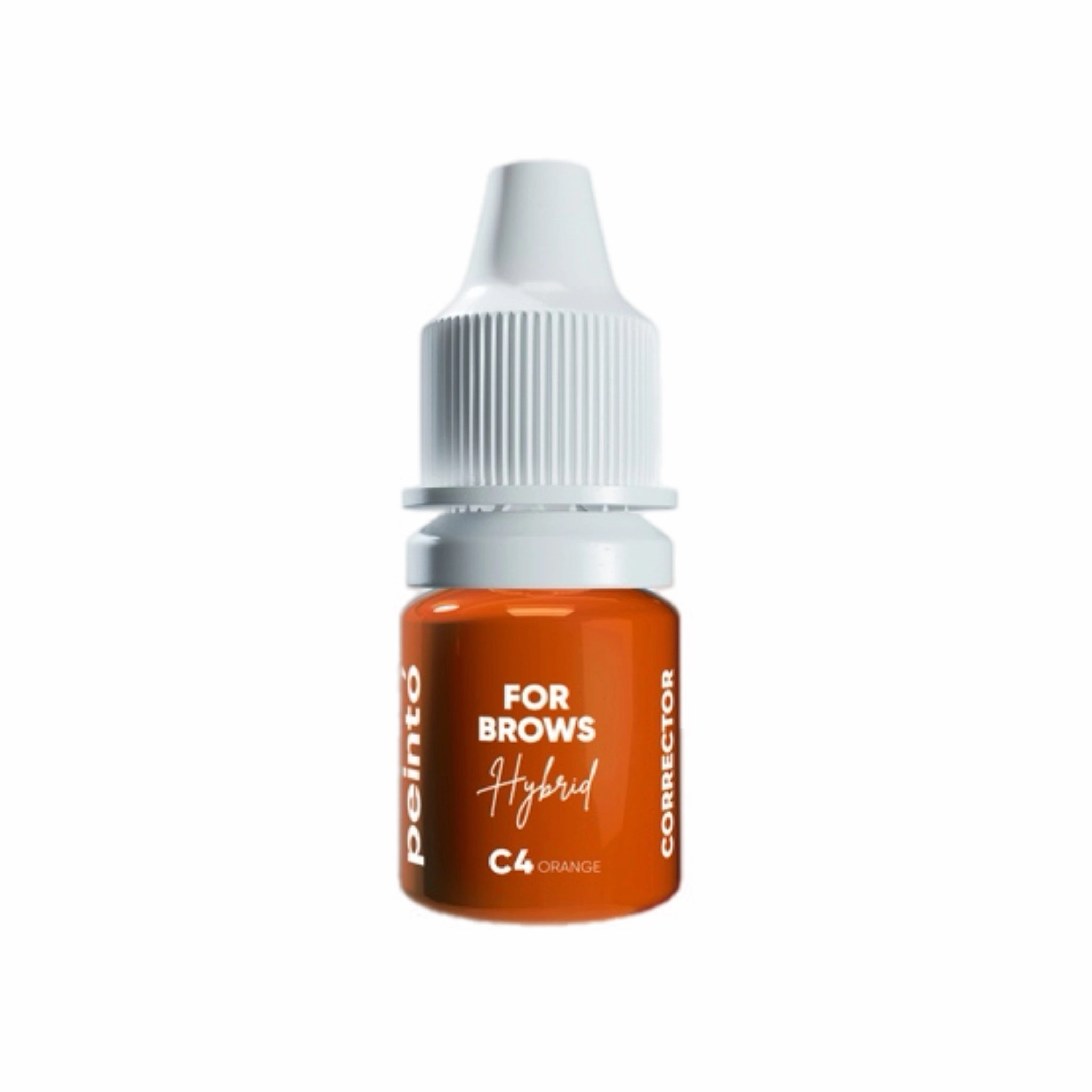


Eyebrow Pigments — Colour Temperature Before Colour Name
Eyebrow pigments operate on a different logic to lip pigments. With lips, the dominant question is hue — how saturated, how pink, how nude. With eyebrows, the first question is always undertone: warm, cool or neutral. The specific shade comes after. That is why the filters on this page include all three temperature groups: warm bases for golden-brown, chestnut and auburn results; cool bases for ash-brown, taupe and near-black; and neutral bases for brown tones that sit between temperatures.
Hybrid Pigments — The Professional Foundation
Hybrid eyebrow pigments combine organic and inorganic pigment components. In practice, this means stable coverage, reliable colour retention and a predictable healing trajectory — all critical for eyebrow work, where even slight unwanted fading or a colour shift is immediately visible on the face. Hybrid formulas perform consistently across microblading, powder brow, ombré and combination techniques.
Organic Pigments — Softer Healing, Specific Considerations
Organic eyebrow pigments (exclusively from the Face line in this category) contain only organic molecules. They heal with a softer, more gradual fade and are favoured for clients with sensitive skin or where a very natural, low-intensity result is the goal. However, organic pigments have a characteristic tendency to heal slightly warmer than the applied tone. Artists working with organic formulas need to factor this into their colour selection at the consultation stage — choosing a slightly cooler tone than the target is often the correct starting point.
Correctors for Eyebrows — A Different Function to Lip Correctors
Eyebrow correctors address the unwanted undertones left by previous procedures. A cool undertone (grey, blue-grey, greenish) is neutralised with a warm corrector (yellow, orange, red-family). A warm undertone (reddish, orange-brown) is neutralised with a cool corrector (green, blue-family). Using a corrector when the skin carries an existing undertone is not an extra step — skipping it when needed is what makes the final result unpredictable.
Choosing the Right Base — A Practical Guide
Warm bases are correct when the client's natural eyebrow hair has golden, chestnut or auburn tones. Cool bases suit ash-brown, dark brown without warm reflection and near-black brows. Neutral bases are a blending tool — useful when neither temperature precisely describes the target.
Volume and Format
Pigments in this category are available in 5, 6, 10 and 12 ml formats. A 10 ml bottle suits frequently used core shades. 5–6 ml is practical for correctors, rarely used shades and for testing a new shade before committing to a larger volume.
Order online with fast delivery across Europe. Cash on delivery available.


