 +359 895 90 14 68
 Bulgaria


SALE


.JPG)


PMU — Before the Colour, There Is the Formula
Choosing a PMU pigment colour is the visible part of the decision. The less visible — and more consequential — choice happens first: which formula type to work with. The three formula types available in this section behave differently in the skin, heal differently and serve different client profiles. Getting this right matters more than picking the exact shade.
Hybrid Pigments — The Practical Baseline
Hybrid pigments combine organic dye molecules with inorganic pigment particles. This composition produces stable colour that holds predictably across a broad range of skin types, heals consistently, and gives the artist a wide tonal palette to work with — from light nudes for lips to deep cool browns for eyebrows. Hybrid pigments are the most commonly used format in professional PMU precisely because of this reliability.
Organic Pigments — Soft Results, Warmer Healing
Organic pigments contain only organic molecules. They tend to heal with a softer, more gradual result and are often preferred for clients with sensitive skin or for techniques where a very natural finish is the goal. The characteristic of organic pigments to heal slightly warmer than the applied tone needs to be factored into colour selection during consultation.
Mineral Pigments — High Stability, Distinct Behaviour
Mineral pigments work with inorganic mineral compounds. Their colour stability is high and their behaviour in the skin is closer to traditional tattooing — making them well suited to powder-effect eyebrow techniques, oily or porous skin types, and situations where longevity of the result is the primary concern.
Zones, Correctors and the Complete Toolkit
Eyebrows, lips, eye contour and scalp (trichopigmentation) — each zone has distinct requirements. Lip pigments work in an environment of active healing and require high saturation. Eyeliner pigments must deliver dense, sharp coverage. Eyebrow pigments come in the widest range of bases (warm, cool, neutral) to match natural hair colour precisely.
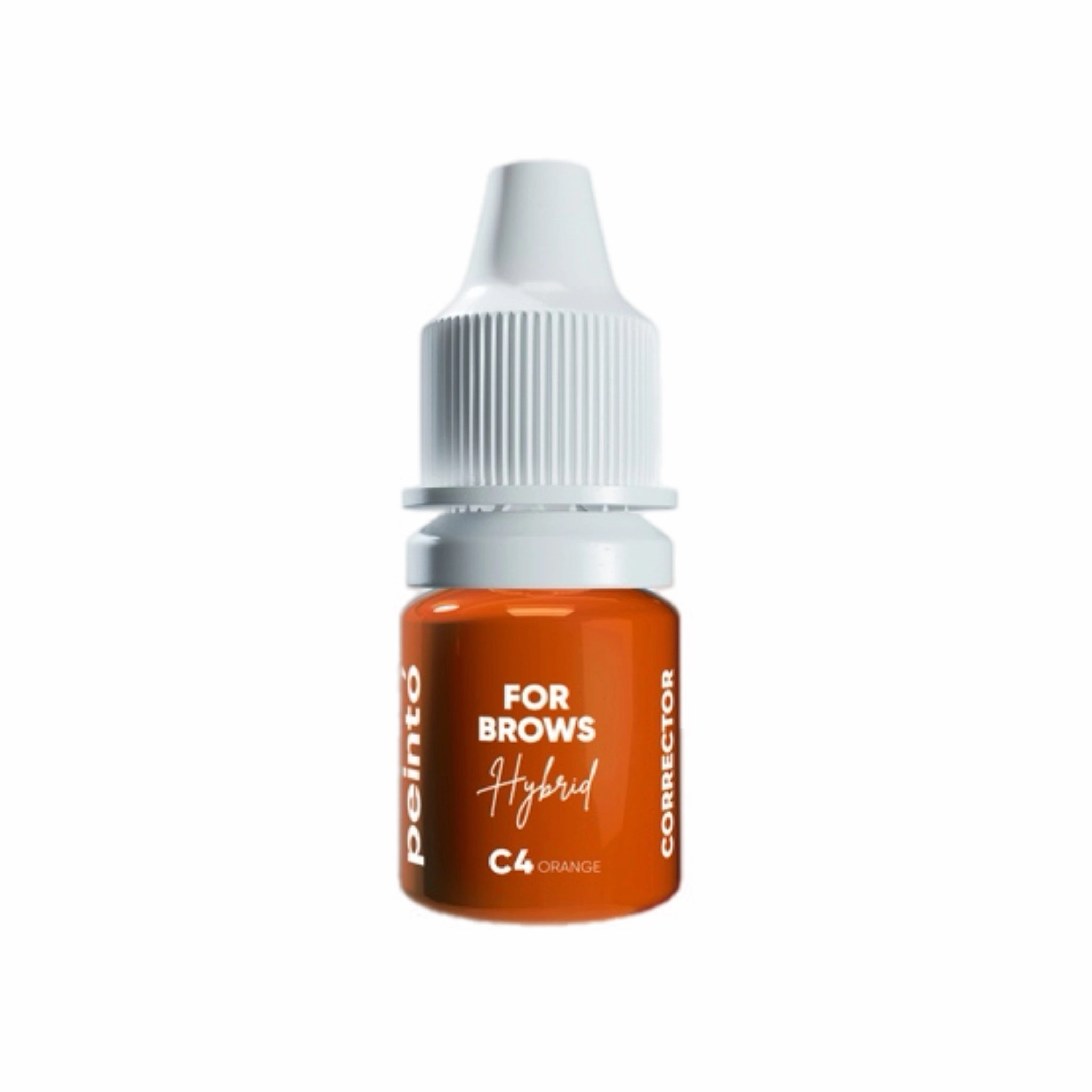
Correctors are not a secondary category — they are an active working tool. Applied over an unwanted undertone or a client's existing colour, they neutralise before the target shade is introduced. A complete PMU practice needs correctors alongside its core palette.
Beyond pigments, this section covers the full procedure toolkit: PMU needles in multiple configurations, machines, primary and secondary numbing gels, haemostatic gels, acid remover, pigment thinners and thickeners, healing products, sketching tools, hygiene consumables and aftercare.
Frequently Asked Questions
What is the practical difference between hybrid and organic pigments?
Hybrid pigments heal more predictably across different skin types and hold colour more consistently over time. Organic pigments heal softer but can show a warmer tone than applied. The right choice depends on technique, treatment zone and the client's skin characteristics.
When should a mineral pigment be chosen over a hybrid?
Mineral pigments are the better choice for powder brow techniques, oily or porous skin, and clients where organic formulas have shown unwanted fading or colour shift.
Is a corrector necessary for every procedure?
Not every session, but whenever working over an existing unwanted undertone or covering previous PMU — a corrector is necessary to achieve a clean, accurate final colour.
Can any pigment thinner be used with any pigment?
Thinners are brand-specific. Using a thinner not matched to the pigment formula can alter the composition and behaviour of the product. Always use the thinner specified for the pigment brand.
Order online with fast delivery across Europe. Cash on delivery available.


